Home » Archives for Tom » Page 6
Sports are all about working together, sharing power, and standing together. It transcends language and culture to bring people of all kinds. To most individuals who have blindness or visual impairment, goalball is more than just a sport. This unique sport is created for athletes who have disabilities and is a perfect example of the adaptability of sports. It helps foster confidence among the athletes, enhance communication skills, and improve spatial awareness.
This article looks into goalball’s history, rules, techniques, and influence on its players, as well as explains its role in the efforts toward inclusion.
Tactile maps are, by design, three-dimensional, as they use raised surfaces to make a two-dimensional map touchable. However, traditional tactile maps elevate features just enough for them to be discernible by touch, while 3D maps go further by utilizing height and depth to convey richer, more intuitive information. This makes >3D tactile maps more effective and accessible in many contexts.
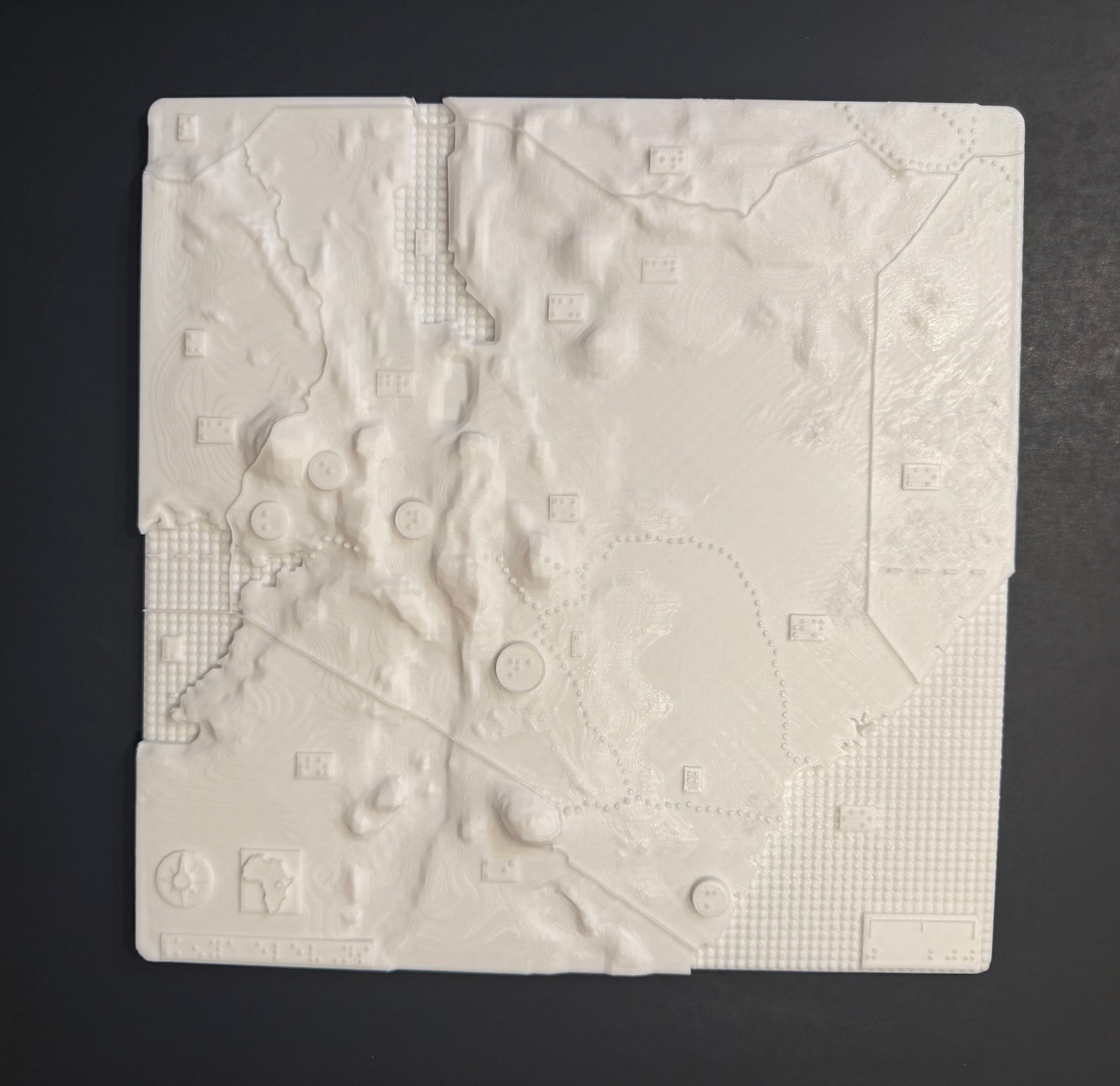
The above 3-D map shows the elevations of Kenya with braille labels, made in collaboration with the Clovernook Center for the Blind & Visually Impaired
DiversiGO is a city tour company offering tours for everyone, particularly for people with disabilities. Last time I was in Budapest, I scheduled a tour with them.
Recently I wrote about how my new building project helped me understand architecture so much better. But last week, when I attended the annual convention of the Souvenir Building Collectors Society, it took my appreciation to a new level.
Recently I have attended a fascinating online event, organized by the North Carolina Museum of Art, the exact title is: Mindful Museum: Virtual Sensory Journey through Art. The concept is that people who are blind, visually impaired, or would otherwise benefit from a sensory style experience, can get to know one or two artifacts of the museum from their own home, but elevated by the use of a kit of sensory objects.
United Airlines has been in the news recently about their accessibility features. One feature, which was introduced in 2019, is not often talked about, the screen reader on the Inflight Entertainment System. On a recent flight, I thought I would document its features. But first, let’s talk about the history of inflight entertainment for blind people.
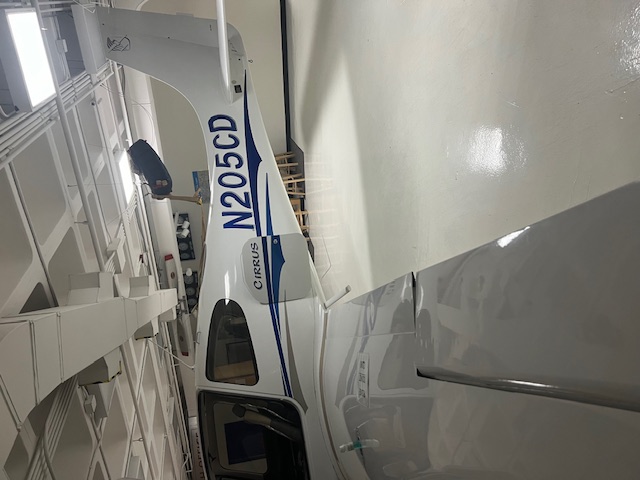
When I learned that the 2024 LEAD conference is taking place in Seattle, I had no doubt that I wanted to visit the museum of flight. But there was only one challenge: their approximately biweekly scheduled tours for blind and visually impaired people were not during the week of the conference. I made a reservation for one of the events, and explained in the notes section that I was attending an accessibility conference and was wondering if we could make an exception for a special tour. Though there was a bit of a communication mishap, the docent supervisor, Brenda Mandt who was also at the conference, even attended my presentation, made the tour happen for me. And it wasn’t a small achievement, because my one and only free afternoon was on August 3rd, when the Jet Blast Bash took place, the absolute most busy day at the museum. But Brenda took the time to set it up for me, and even emailed me instructions on how to get into the museum because of the temporary closure.
Last year, I had the pleasure of attending the Leadership Exchange in Arts and Disability (LEAD) Conference, highlighting its exceptional commitment to accessibility and inclusivity. This year, I returned to the conference, which was in Seattle this time, and while it was just as accessible and inclusive as last year, this time I would like to talk about the enthusiasm and innovation. We often hear about what is not accessible, what is not compliant, what we can do better. And I would not argue with this for a second, but I think it is equally important to talk about what works, and celebrate success stories.
One of my big finds this year was the WayTags which let me label things around me, and I discovered how to enhance my travel with WayAround. I had a few conversations with Jessica, and I was just amazed by the creativity people can use WayTags to make their lives easier. I was curious, how was such a great product born and all the ways it is used, so I asked Jessica for an interview, which you can read below.
People at the Paralympics compete in 10 different categories, depending on their disability. Eight of the categories are physical disabilities, one is visual impairment, and one is intellectual disabilities. Depending on the individual sports, people with only certain disabilities can compete. This post will only contain resources related to blind and visually impaired people following the theme of the blog, but I would recommend getting to know the other sports as well. This topic has been covered in so many ways, so instead of creating yet another basic overview, it is intended to be more of a resource list for starters.