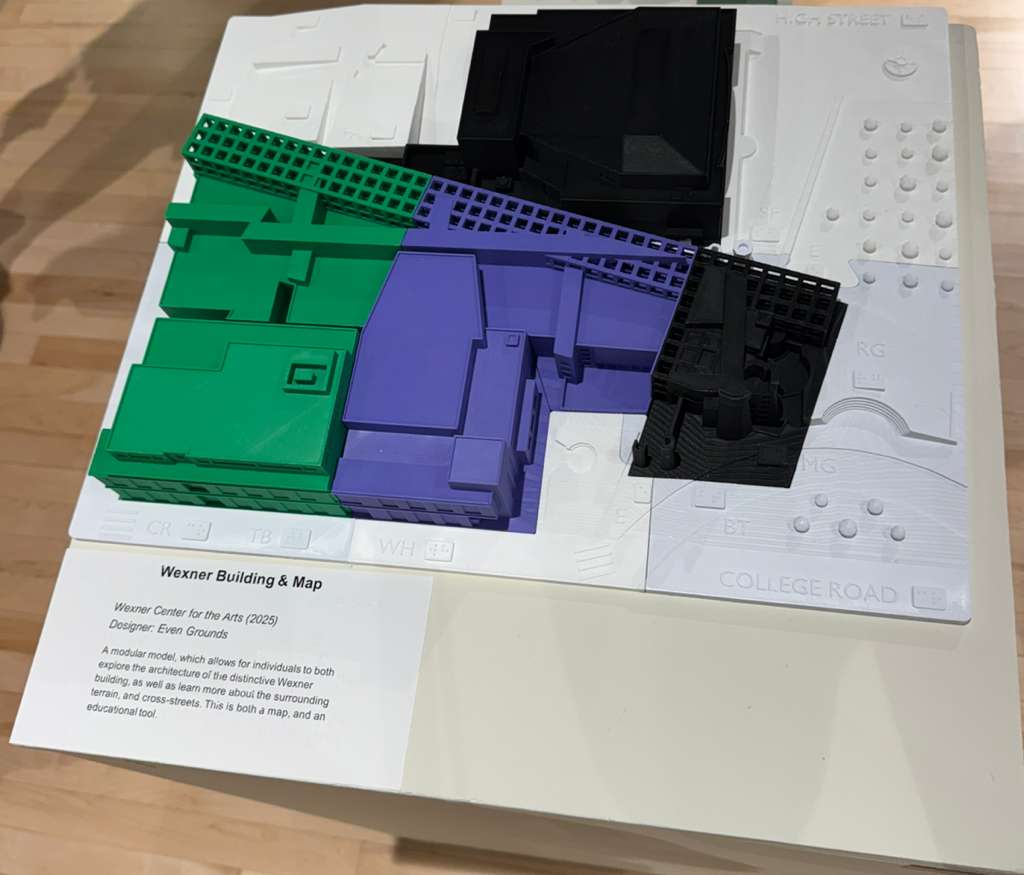
Yesterday I attended an art exhibit done by the Clovernook Center for the Blind and Visually Impaired that was so special to me. The exhibit is called Tactile Revolution, where people are invited to touch different tactile designs, braille and 3D models. The reason why I was there is because many of the objects, about..
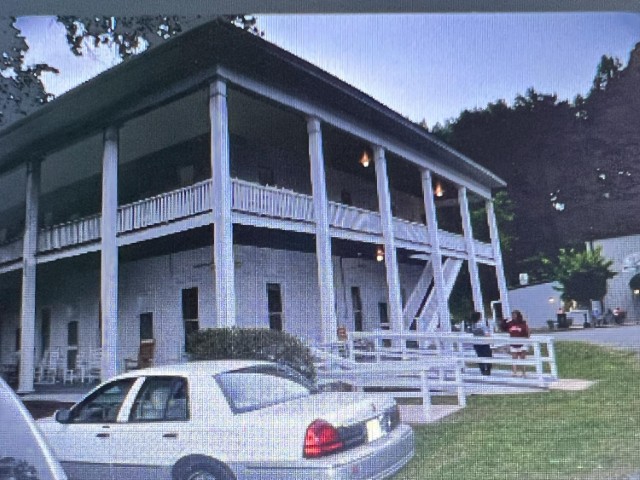
Resurrecting History: How We 3D Printed the Lost Donoho Hotel
Sometimes our accessible 3D design does more than accessible replicas. Recently we have rebuilt the Donoho hotel that was lost in a fire accident in 2025. (more…)
When 3D printing is preferrable to 2D tactile graphics
When supplying visual materials with braille books for the most part the use of tactile graphics is sufficient. However, there are many instances when providing 3D printed objects can enhance the understanding of the material. Even the Tactile Graphics Guidelines Mention 3-dimensional objects in the first sentence of the document: “Tactile graphics, in combination with..
Touch Mapper Alternatives
Since I have posted about Touch Mapper, I got many questions if there is an alternative for this product. The short answer is not really, but in this post, let me explain what could be the problem for those who are seeking an alternative. (more…)
How 3D Printing Is Revolutionizing Accessibility for Blind People
Over the years, technology has improved inclusivity for people with disabilities. One of the most notable inventions in recent years is 3D printing. This revolutionary technology is changing the lives of the blind and visually impaired by making assistive devices, Braille, and other aids for touch-based learning materials more easily and affordably. This, in turn,..
Tactile Learning: The Role of 3D Printed Objects in Education for the Blind
From textbooks and graphical illustrations to screens, it is clear that visual aids have always held massive importance in the sphere of education. It is much more difficult for students who are visually impaired to access the same level of information as their counterparts. Learning tools such as embossed graphics or Braille materials provide some..
How Tactile Maps Help Blind People?
Tactile maps are a breakthrough that grants blind or visually impaired people an easy means to comprehend their surroundings. Designed with raised features and braille, these maps can skillfully bridge the gap between the navigation of sighted and non-sighted people, fostering accessibility and inclusivity. This article explores the benefits, applications, and impact of tactile maps..
Tactile Maps and Braille: Balancing Accessibility and Practicality
Creating accessible maps for individuals with visual impairments is a complex process. When designing tactile maps, we need to carefully consider how to best integrate braille to convey information effectively without sacrificing practicality and efficiency. This post explores the challenges and solutions involved in using braille on tactile maps, drawing from our design experience. (more…)
The advantages of 3D tactile maps
Tactile maps are, by design, three-dimensional, as they use raised surfaces to make a two-dimensional map touchable. However, traditional tactile maps elevate features just enough for them to be discernible by touch, while 3D maps go further by utilizing height and depth to convey richer, more intuitive information. This makes >3D tactile maps more effective..
Visiting the Souvenir Building Collectors Society convention
Recently I wrote about how my new building project helped me understand architecture so much better. But last week, when I attended the annual convention of the Souvenir Building Collectors Society, it took my appreciation to a new level. (more…)