Press "Enter" to skip to content

Category: Blindness

Blind people, faces, and the Signers’ Hall

Showing faces to blind people has been a challenge I have been trying to research and resolve for many years. When a face is transferred into a 2D or a 3D form and features are made so that the are enjoyable through a tactile experience, a lot is lost that is still available when looking at a live human, or a photo.

While there are many tactile representations of people, there is much less information about how recognizable those pictures, statues or 3D replicas are.

1 Comment
Julius Charles Serrano: The Blind Man Who Keeps Jumping Off Things in New Zealand

I would like to introduce my friend of 20 years, Julius Charles Serrano, a coach, speaker, accessibility consultant and an adventurer.

We met in person the first and only time in Malaysia in 2008, when I taught the first group of blind people in South-East Asia to become accessibility consultants. Since then we worked together on many projects. Julius now lives in New Zealand.

Each time we talk he tells me about an adventure I admit I get the shivers in my spine just to hear about it. He likes heights, jumps, out of the box ideas and experiences which he relates with the coaching and consulting work he does. I thought he would be a great person for my readers to meet. The following is an interview with Julius.

Leave a Comment

Accessible tactile 3D printed restroom maps for blind visitors

If you are blind, when you visit a restroom by default you will end up touching many more things than sighted people to find the same facilities. Wouldn’t it be great to minimize contact with things you wouldn’t need to touch in the first place?

This is why I invented the accessible tactile 3D printed restroom maps.

A tactile restroom map is a 3D-printed miniature replica of a restroom’s layout, mounted beside the ADA sign, that blind visitors can feel before entering.

When a blind person visits a restroom, before they enter they can quickly examine a map of the exact layout of the restroom so they can go exactly where they want to without having to explore and accidentally touch more than necessary.

accessible tactile restroom map including a sink, toilets, urinals, paper holders, hand dryer and doors.

4 Comments

Erich Manser on the Resilience and Logistics of Blind Running

I would like to introduce you to my friend, and previous colleague from IBM, Erich Manser who is a competitive blind runner. Over the years I enjoyed hearing about his adventures, and when it comes to sports, I got much inspiration from him.

Erich runs in a 10k race guided by his adult daughter Ellie. Both smile big for the camera, Erich tips his hat and wears a bright yellow vest which reads Blind, while Ellie wears a similar vest that says Guide.

Erich is 53 and lives in Littleton, Massachusetts with his wife Lisa and their daughters Ellie and Grace. He currently works at Harvard University as part of their Digital Accessibility Services team, where he enjoys helping all Harvard schools & departments ensure their digital content and technologies are accessible and inclusive of all users. Erich enjoys running, and is proud to have run 25 marathons, including 15 Boston Marathons, as well as 3 Ironman triathlons.

2 Comments

Braille vs. Audio: Which Communication Tool Works Best for the Blind?

In person-centered learning, communication, alongside access to information, is important for education, employment, and day-to-day life activities, especially for people with visual impairment. Accessibility has been improved over the years with the development of technology, with the biggest focus being placed on Braille and audio aids. But which one is better? The effectiveness of these aids is discussed and analyzed in regard to their benefits, limitations, and best use cases.

Leave a Comment

How Smart Technology is Transforming Communication for Blind People

During the time of technological advancements, one main concern remains at the forefront: enabling ease of communication for the disabled, especially those who are visually impaired. With the rise of AI-integrated devices, voice-operated machines, and accessibility software, visually impaired people can now move around the world with much more ease.

This article talks about how automated devices are changing the way blind people communicate, enabling them to achieve higher degrees of independence.

Leave a Comment

10 Essential Tips To Make Your Meetings Inclusive For Blind Participants

Like every component of an organization, meetings serve a central purpose. It brings people together to discuss, strategize, and execute. Nonetheless, meetings that are not crafted with inclusivity in focus can leave out critical viewpoints and disengage the audience. The purpose of making meetings inclusive is to ensure that all participants in a meeting, regardless of their ability or background, actively participate and contribute.

Leave a Comment

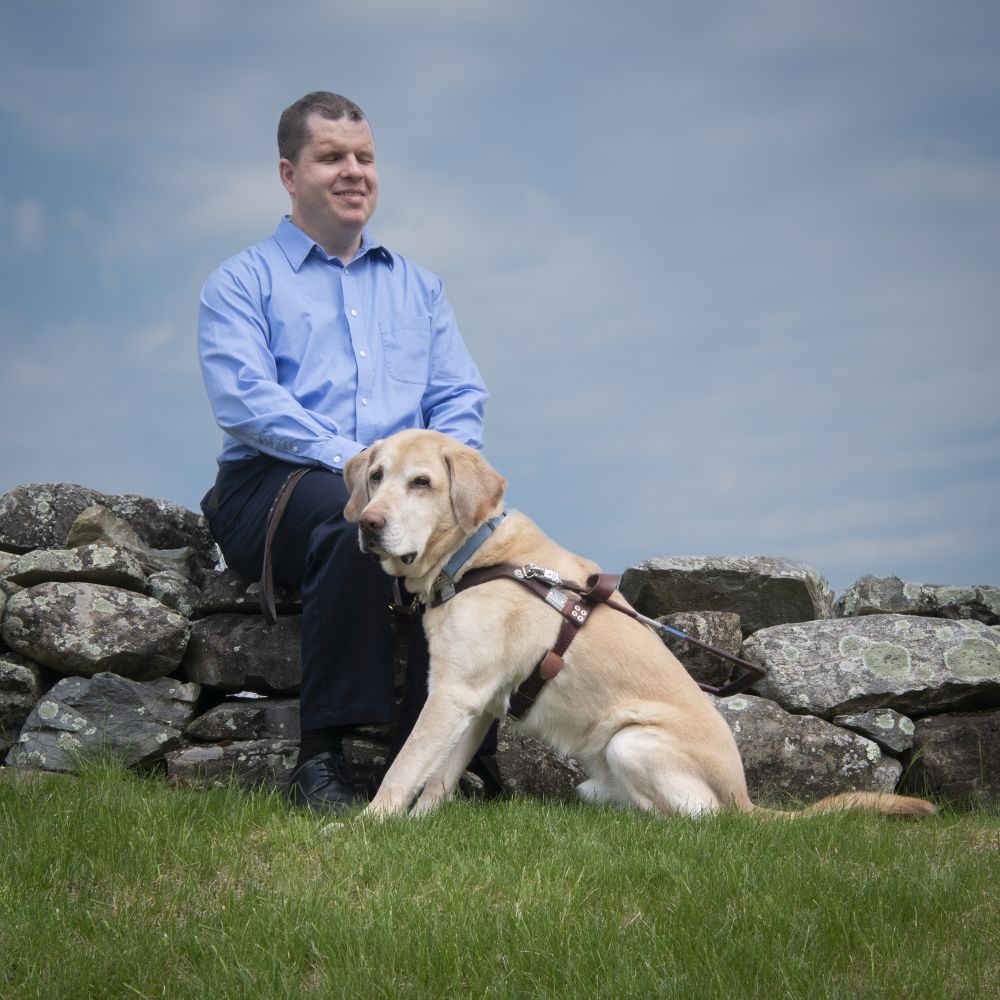
What I Learned While Working With a Guide Dog in the USA: A Personal Perspective

If you are curious about the work involved in tandem with a guide dog, I would ask that you take a seat. I wish to explain my story—the lessons I’ve learned, the passions I’ve pursued, and the hurdles I’ve had to overcome. It’s quite intimate, and while no story is identical, I hope it connects with you in some fashion.

Leave a Comment

10 Things You Should Know About Guide Dogs

Do you know that paws on the pavement, while a hand is holding the harness, can help someone conquer the world? If not, you haven’t been introduced to the guide dogs yet.

Guide dogs are known to be the most faithful and trustworthy companions. They help their visually impaired owners with mobility, safety, and independence. These furry friends can undergo the most challenging training, create bonds with their owners, and change their lives forever. First, here are 10 things that everyone needs to know about guide dogs.

Leave a Comment