Continuing my Philadelphia museum review, the National Constitution Center was the first one I visited during my last trip. I had arrangements with Brian Kirsch, who gave me a wonderful tour.
Leave a CommentCategory: Museum
I just returned from Philadelphia where I had an opportunity to attend an amazing tactile tour at the Museum of American Revolution. This exhibit overall talks to anyone, anywhere from kids who just hear about the revolution for the first time, or someone who is involved with US history.
We toured the museum with the team from the Clovernook Center who did much of the tactile objects for the museum. Our tour was led by Meg Bowersox, but a self-guided tour is also available, more about it later.
Leave a CommentAfter my visit, I couldn’t tell you what was more fascinating: the historic building, the eclectic exhibit, or the owner himself. Each is worth a visit on its own, but the three-in-one package is the real deal.
I hadn’t heard of the Darl Center until I met the owner, Darl Schaaff, at the Ohio Museums Association conference. We happened to be in the same meeting and struck up a conversation. I was immediately intrigued by his background and asked Darl if we could arrange a private tour for me to experience the space firsthand.
Leave a CommentLast week when I attended the National Braille Association conference, I was able to find some time to visit the Harriet Beecher Stowe House in Cincinnati. I admit, last time when I was in Cincinnati, I didn’t know about it, otherwise I would have put it on my list, though maybe it was at the time when they were doing the renovations. But in anyway, everything has a reason, and this time there was one more reason to visit, they have a few building replicas we made for them in collaboration with Clovernook, but more about this later.
By the time I figured out my final schedule and matched it with the opening hours, there were exactly two hours left for me to visit. I can’t thank her enough, the executive director, Christina Hartlieb immediately responded to my email and at a one week notice she generously made her time available to personally give me a tour of the house.
This house is famous about Harriet Beecher Stowe, at the time, Harriet Beecher living there from 1832 until her marriage in 1836. After that she still lived in Cincinnati, and her experience in town contributed to her most famous novel, Uncle Tom’s cabin. The book was translated to at least 75 languages, and my personal connection to it was that when I was a kid, my mom read it to me in Hungarian.
Leave a CommentIt was a long time dream coming true to visit the Typhlological Museum in Madrid, Museo Tiflológico, a museum for and about blind and visually impaired people. The occasion was that we were speaking at the Inclusive Museum conference in Zaragoza. My options were to fly through Barcelona or Madrid, so I picked Madrid to be able to visit this museum.
Leave a CommentLast week I was in Amsterdam attending the third Tactile Reading and Graphics Conference. As always when I travel, I try to squeeze in at least a museum visit. This time, it was the Rijksmuseum, for several reasons. One that it was already recommended to me as an accessible experience, but even more importantly because one of the keynote speakers, Cathelijne Denekamp, who is their accessibility manager wrote a book about their accessibility work, Accessibility without limits. I read the book before my trip and I was really impressed. I quickly bought a ticket for a Sunday morning to explore the museum on my own. I read in the book that it is set up so that a person without any vision and a phone could navigate the property and enjoy the exhibit.
Leave a CommentExploring Tactile Museums: Enhancing Accessibility for the Blind & Visually Impaired
Throughout the years, the general perception of museums has been that they house rich collections of the finest art, culture, history, and other knowledge. However, the traditional design of museums often excludes people who are blind or visually impaired. This is where tactile exhibits or museums come in – promoting inclusivity and creating a better experience for everyone.
If you are interested in understanding how tactile museums function, why they are important, and how they are created, this beginner’s guide will cover all the important aspects.
Leave a CommentRecently I have attended a fascinating online event, organized by the North Carolina Museum of Art, the exact title is: Mindful Museum: Virtual Sensory Journey through Art. The concept is that people who are blind, visually impaired, or would otherwise benefit from a sensory style experience, can get to know one or two artifacts of the museum from their own home, but elevated by the use of a kit of sensory objects.
Leave a Comment
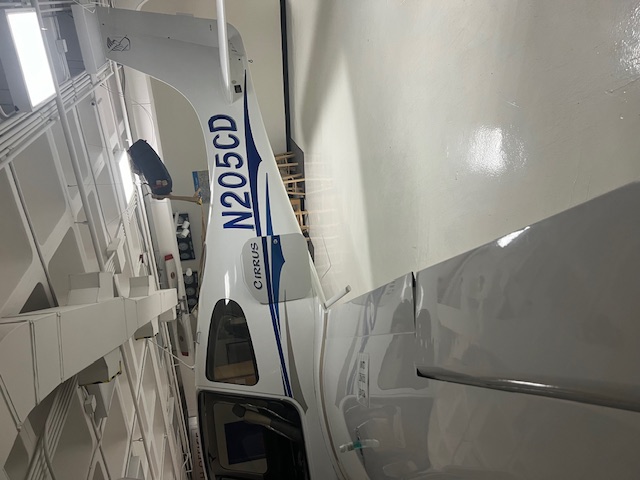
When I learned that the 2024 LEAD conference is taking place in Seattle, I had no doubt that I wanted to visit the museum of flight. But there was only one challenge: their approximately biweekly scheduled tours for blind and visually impaired people were not during the week of the conference. I made a reservation for one of the events, and explained in the notes section that I was attending an accessibility conference and was wondering if we could make an exception for a special tour. Though there was a bit of a communication mishap, the docent supervisor, Brenda Mandt who was also at the conference, even attended my presentation, made the tour happen for me. And it wasn’t a small achievement, because my one and only free afternoon was on August 3rd, when the Jet Blast Bash took place, the absolute most busy day at the museum. But Brenda took the time to set it up for me, and even emailed me instructions on how to get into the museum because of the temporary closure.
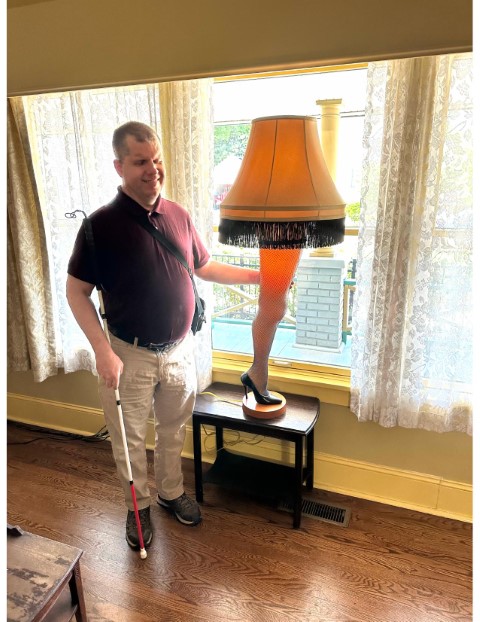
2 CommentsAs I am always out searching for interesting museums, recently I found out that the house where the movie, “A Christmas Story” was filmed, at least parts of it, is open to the public. Not only, but there is also a museum and gift store next door. I couldn’t believe that it is 20 minutes from us and I didn’t even know about it. Last weekend I called an Uber and went to check it for myself.