Most kiosk purchases start the same way. You go and see a kiosk working. Maybe it is at an expo, with the manufacturer showing what the machine can do. Maybe the vendor tells you where one is installed nearby, and you go and stand in front of it. That is a reasonable start. It is just not the whole decision.
Leave a CommentAuthor: Tom
I have been working in accessibility for the last 25 years. I have helped government agencies, corporations and non-profit organizations to become accessible. Over the years I taught over 20000 people about accessibility.
In the last post I explained what an accessible kiosk is. This one is about the harder question, the one that comes up in the budget meeting: why do we need the accessible one? It is usually not asked unkindly. It is asked by someone with a spreadsheet, and the accessible quote is higher than the other one, and the question is fair.
Leave a CommentI hear some version of this in almost every first conversation from many organizations, and I have to say it is usually not an inconsiderate question. Most of the time it comes from people who have a budget to defend and want to spend it where it matters, and that is a fair place to start. The underlying question is, with a limited budget and limited staff time, shouldn’t I spend it on something with a higher return? I would go even a step further, there are times when the question is not asked, but it is still in the air. When in order to not offend people, we do not want to have an honest conversation. But this doesn’t make the question go away, and for all practical purposes, this doesn’t have to be an uncomfortable conversation.
So let us take the question seriously, because it deserves a serious answer.
Leave a CommentI have walked past more kiosks than I can count. In museums, airports, restaurants, hospitals, just to name a few. Beautiful machines. Big touchscreens. Slick animations. And not one of them I could actually use. Not to buy a ticket, not to look up an object, not even to pay a bill.
Leave a CommentThis chapter starts from a different assumption than the previous one. The people on an accessibility committee already know a lot about accessibility, so there is no need to start from scratch. I will not explain what captions are or why documents should be accessible. Instead, here are the few things that actually come up in accessibility committee meetings, the ones worth calling out precisely because everybody in the room assumes they already know them.
Leave a CommentIf you are chairing an accessibility committee, you already know how to run a meeting. You have run plenty of them, in different jobs and different rooms, and this chapter is not going to teach you the basics. Think of it instead as a roundup of what tends to work in the particular context of an accessibility committee meeting, collected from committees that worked and from ones that quietly fell apart. Most of it applies to meetings in general, and you will recognize a good deal of it from your own experience. But there are many kinds of meetings in life, and this chapter is about this one.
1 CommentContinuing my Philadelphia museum review, the National Constitution Center was the first one I visited during my last trip. I had arrangements with Brian Kirsch, who gave me a wonderful tour.
Leave a CommentMost likely your first meeting will be rather informal, but this is the time to establish that you mean serious business, there will be an agenda, and expectations however little it would be.
2 CommentsAlright, let’s get the accessibility committee going. We can talk so much more about structure, funding, lifecycle, challenges, etc. But before you get bored reading about the details, let’s get one going, and we can talk more about details later.
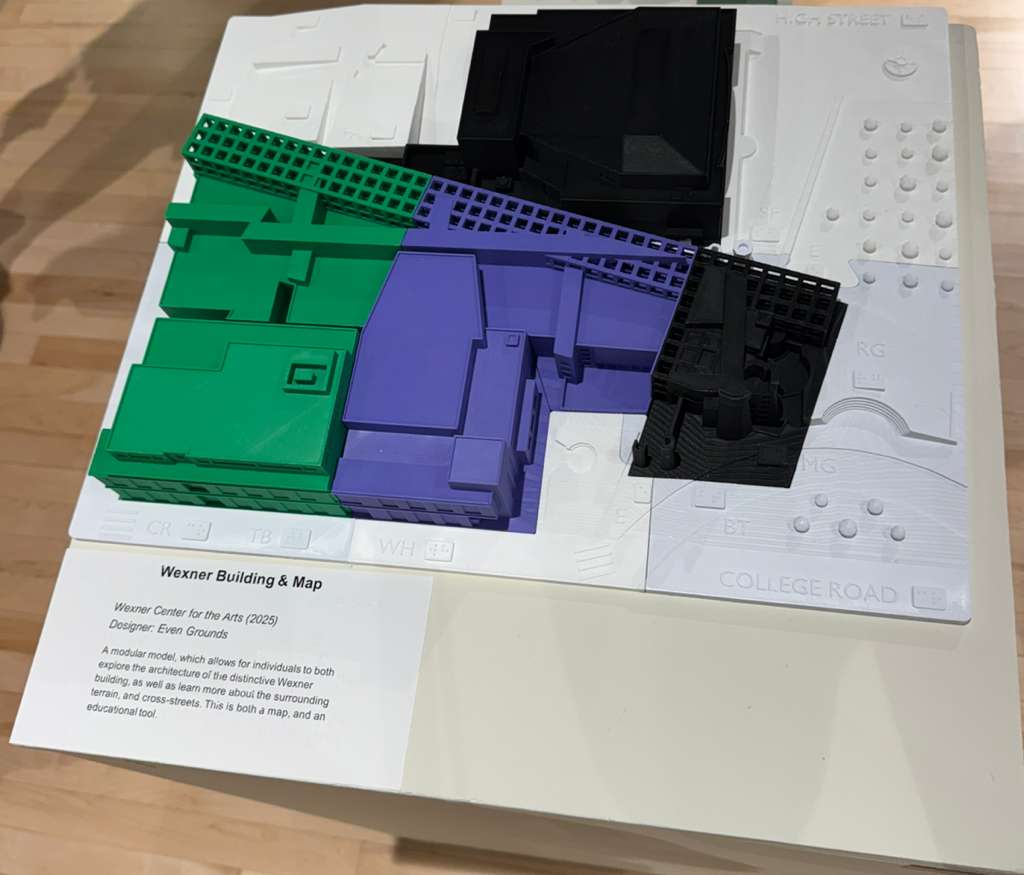
2 CommentsYesterday I attended an art exhibit done by the Clovernook Center for the Blind and Visually Impaired that was so special to me. The exhibit is called Tactile Revolution, where people are invited to touch different tactile designs, braille and 3D models.
The reason why I was there is because many of the objects, about more than two dozens which are exhibited were done by my company.