Over the last couple of years, Even Grounds has been working on a very rewarding project with the Clovernook Center for the Blind and Visually Impaired. We are creating 3D printed tactile objects for schools for the blind around to world to help the teaching of biology.
The way this program works is that they build relationships with schools for the blind from around the world, ship 3D printers and printing materials to them, together with 3D design files. This way, at a much lower cost than sending each piece individually, schools can print and distribute their materials locally.
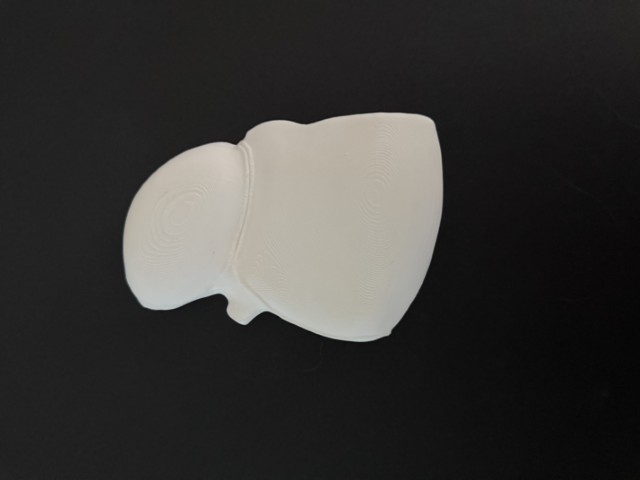
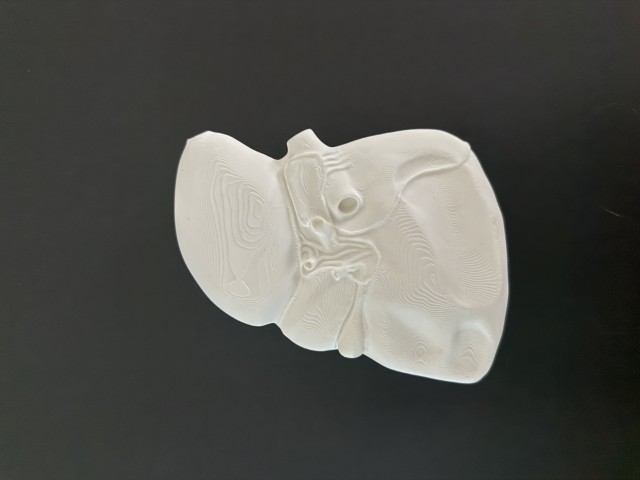
We started this work with the Thika School for the Blind, first we created maps of Kenya and a model of the human heart. This model by now has been printed in hundreds of copies and made it to about a dozen countries.
Initially we wanted to create an object that would be more understandable than the drawing of the heart, and we found that while there are online models available, none of them were fully tactile and accessible to make them usable for blind students.
Thus, we created a 3D version of an average size adult human heart. However, immediately we thought that while it got a great feedback, it wasn’t sufficient to fulfill all the needs of the classroom, because there is much more to the heart than this model. So, we redesigned it so the students can open it to feel the inside of the same human heart. Now we were getting somewhere.
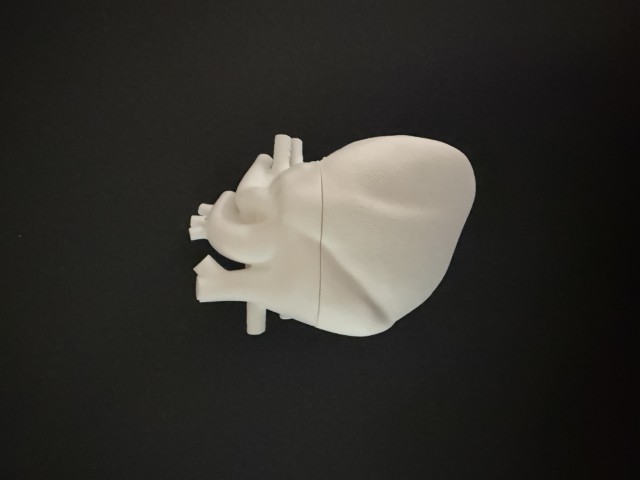
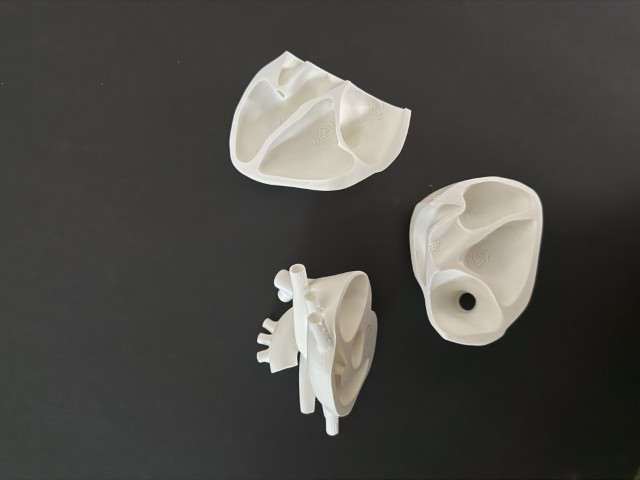
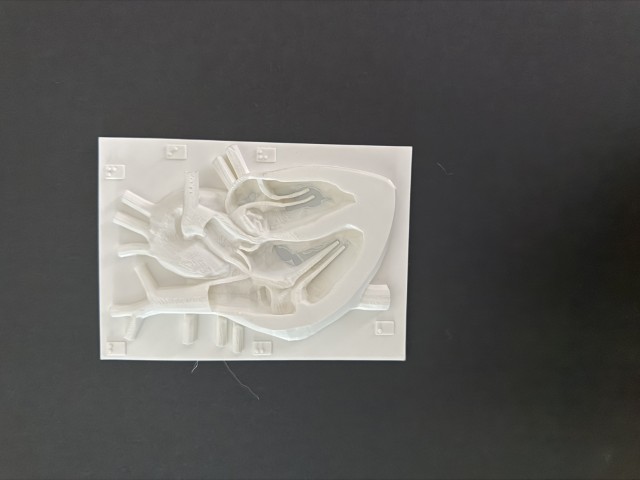
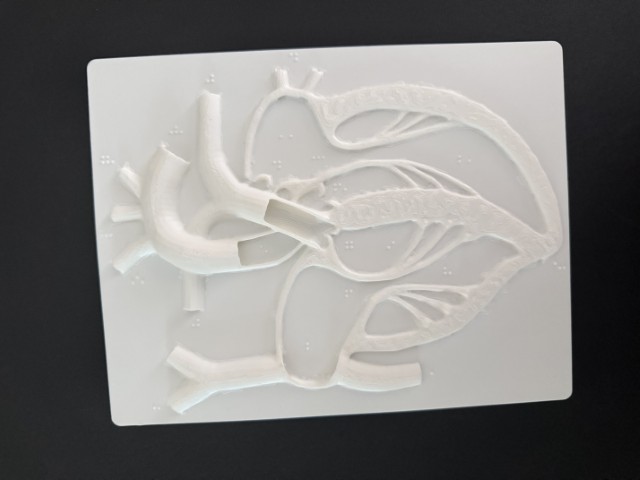
In the second step, we created a cross section of the same heart, though in a much bigger size, now that the students understood the original shape, where we could further demonstrate the muscles and the inner workings.
From here, it only made sense to keep going. Fortunately, we had the resources through the generous support of the Lavelle Fund for the Blind to continue our work.
Next we tried to tackle a relatively easy organ, the liver, of which we also made two models, the model of the liver itself, and a more annotated version.
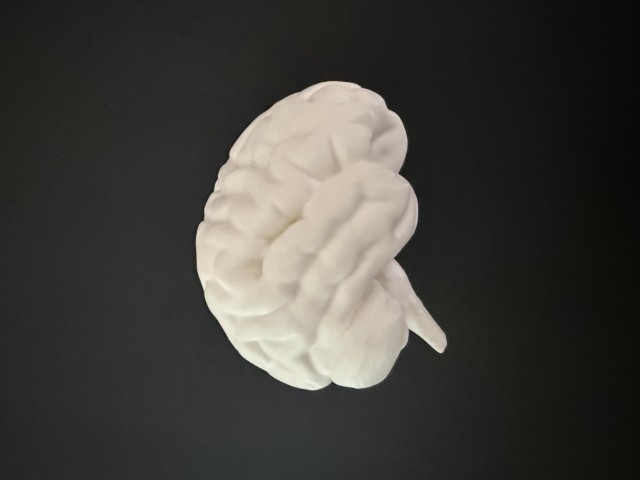
Then came the more difficult ones, we created a model of the brain, though we have yet to make further representations.
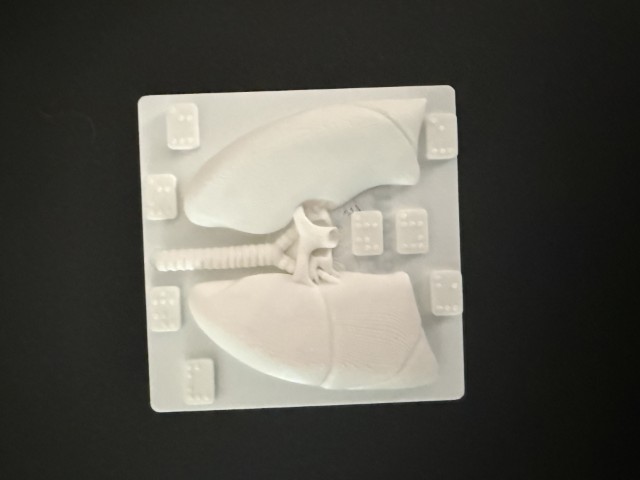
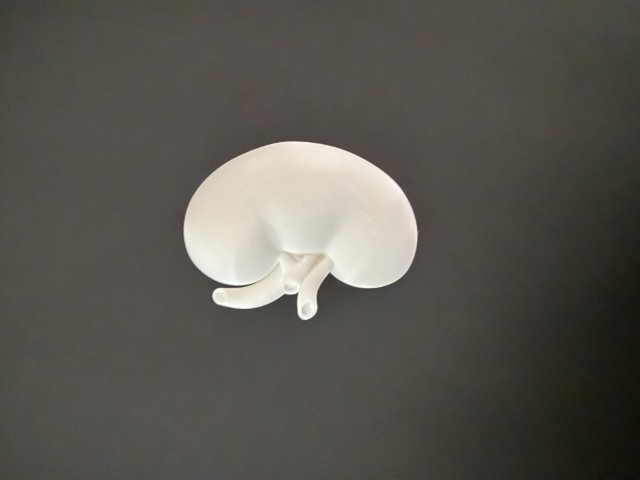
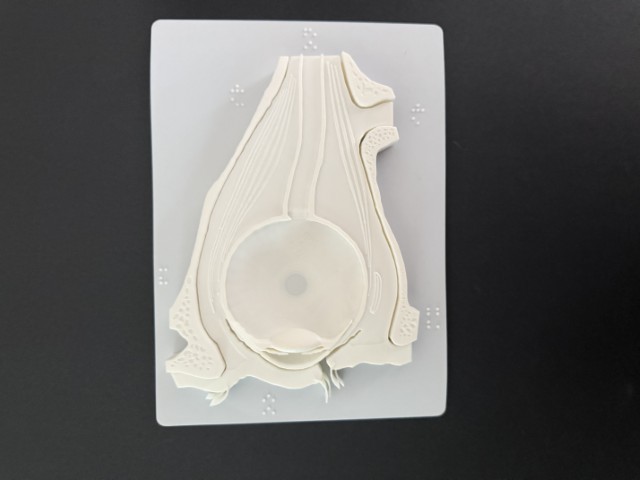
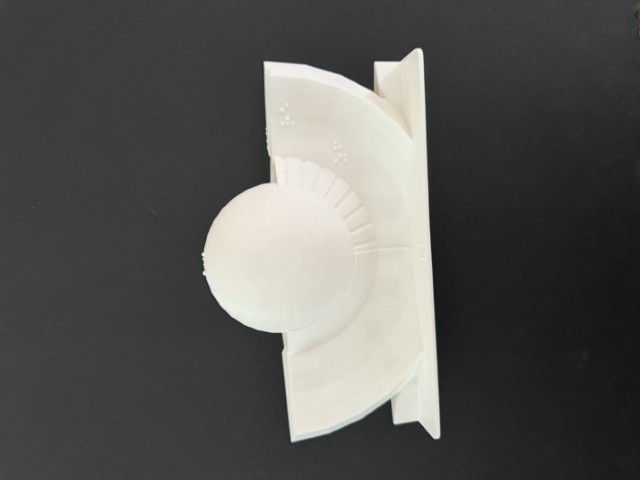
Sidetracking to the lungs and kidney, we next took up the human eye.
It is probably one of the most important things, as most likely blind students will have to learn about eye diseases that directly impact them.
At this point, we are still in the process of creating the models, as we would like to make it a thorough introduction.
While we already have about 11 learning models, we are by no means done, and we will spend the next months making more.
The 3D objects are freely downloadable from the Clovernook site, together with many maps and other educational objects. These models are free to download and to use.
Together with the models, you can also find explanations of the individual objects, as the models themselves are not sufficient. For the first encounter students probably wouldn’t know what the individual objects are, as most of them didn’t have a chance to see a good representation before. Also, the cross sections include braille labels which are also further explained.
If you don’t have a 3D printer available, Clovernook and Even Grounds will be happy to work with you to get it into the hands of the students.
To receive prints, contact the Clovernook Center, or Even Grounds and we will be happy to ship you the models.
Update:
Now we have three aspects of the kidney and the stomach as well, pictures coming soon.
Social Media
Communication
Bookmarking
Developer
Entertainment
Academic
Finance
Lifestyle
Tactile exhibits, accessibility audits, staff training. That’s my work. Let’s talk about yours.